Views on the ROI from Corporate Training
To train or not to train? That is the question bounced back and forth between many HR and Finance departments. There is an anecdote of uncertain origin about a conversation between a CEO and a CFO about a number of employees of the company. The CFO is doubting the ROI of training employees with the question: “What if we train them and they leave?” The CEO, wisely replied: “What if we don’t train them and they stay?” So, let’s take a look at this question to help managers make a reasonable decision while all sorts of arguments are thrown their way.
With new employees, it is unlikely that they will hit the ground running with a complete and relevant skillset. Therefore, training is essential to have a productive employee as quickly as possible, whether trained in-house (if you can spare the resources, which can be costly) or outsourced to a reputable training organisation.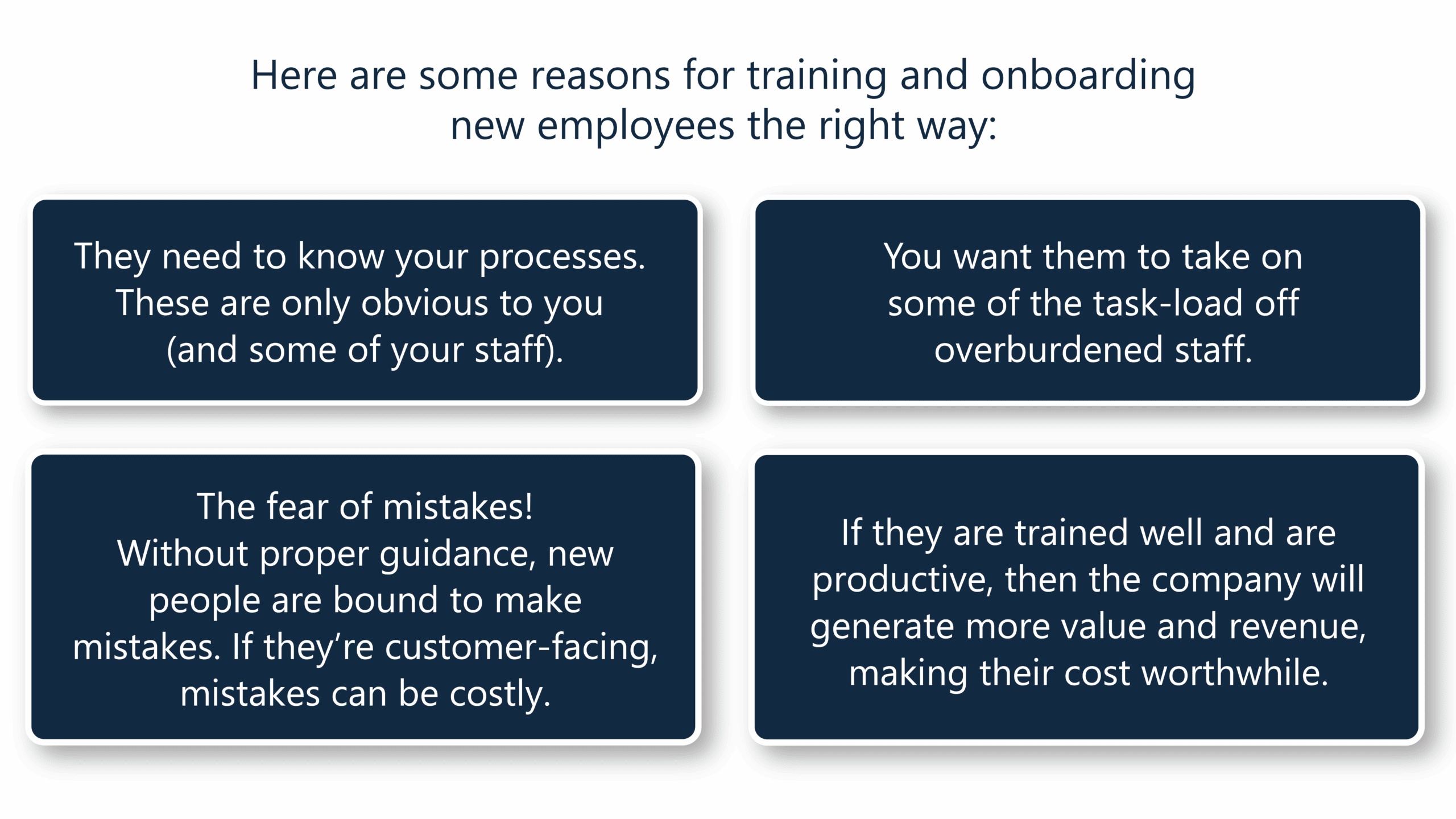
At whichever level or role, most managers would agree that training new employees is a necessity. So why and how does the picture change once their probation expires?
Why – At this point they are surely giving value, with less intervention from their managers. We often see their work as good enough for their wage. We tend to be far too overworked with our own tasks to pay too much attention to the training needs of more established employees. Some companies fall into a negative feedback loop: recruit new employees, train them, they become established, they are neglected, they disengage, they leave, new staff need to be recruited, and this vicious cycle starts again. Good, regular training breaks this loop.
How – Somebody can always make mistakes when taking on work that is not part of their daily routine, even if they are established. Also, within their existing tasks, they can always generate more revenue, be more effective/efficient for the same wage cost, or take more load off other employees if they know how to. It is still costlier to keep underperforming staff, or lose high-potential staff, than to train the existing staff to become high performers. Hiring new staff to replace those who leave is expensive.
When not to train? There are some hopeless cases when we regret hiring the person in the first place. This is ideally discovered during probation. However, in the unfortunate circumstance when this legally flexible period expires, there are still accepted ways to redress this mistake.
Training people with potential, on the other hand, leads to better-prepared, established staff who provide a greater possibility to manage up. Thus, onboarding at a higher level becomes less time-consuming.
Training is not time away from normal business operations or an added expense. One should be willing to invest in both new employees and existing staff. Rather than taking away time (time is money) from another employee to tackle the training, outsourcing training can get you a higher ROI for larger groups due to a lower cost per head, besides introducing skills that may not be mastered by those sometimes assigned with the training. Also, an outsider can sometimes see training needs solutions that internal staff may not notice due to being too close to the situation. Therefore, a thorough training needs analysis followed by tailor-made training can often provide the most effective way forward. The better you train established staff, the less you will need to train new staff… and a new, positive feedback loop begins.
Get in touch with Malta Business School for a free consultation.